Bulgarian
 English
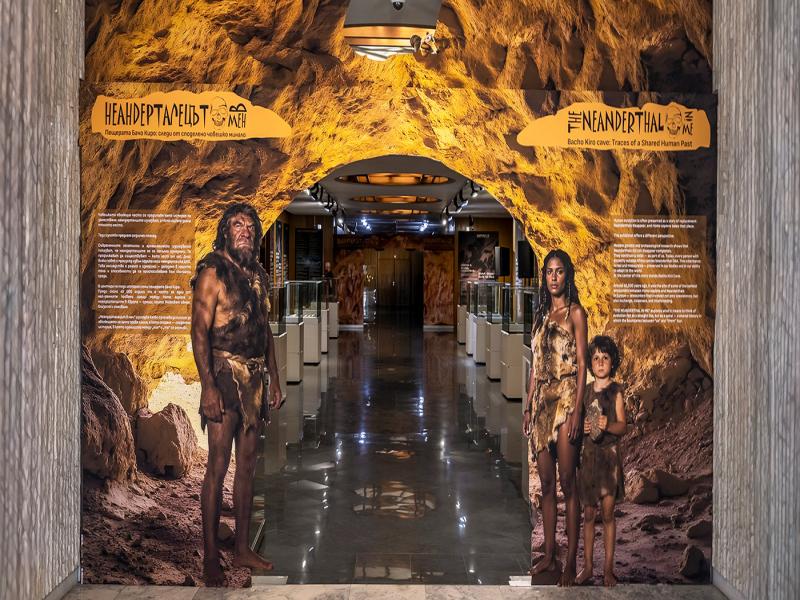
The exhibition at the National Museum of History, "The Neanderthal in me. Bacho Kiro: Traces of a Shared Human Past", is dedicated to the latest scientific discoveries about Neanderthals, early Homo sapiens and Bacho Kiro Cave – one of the most significant Palaeolithic sites in Europe.
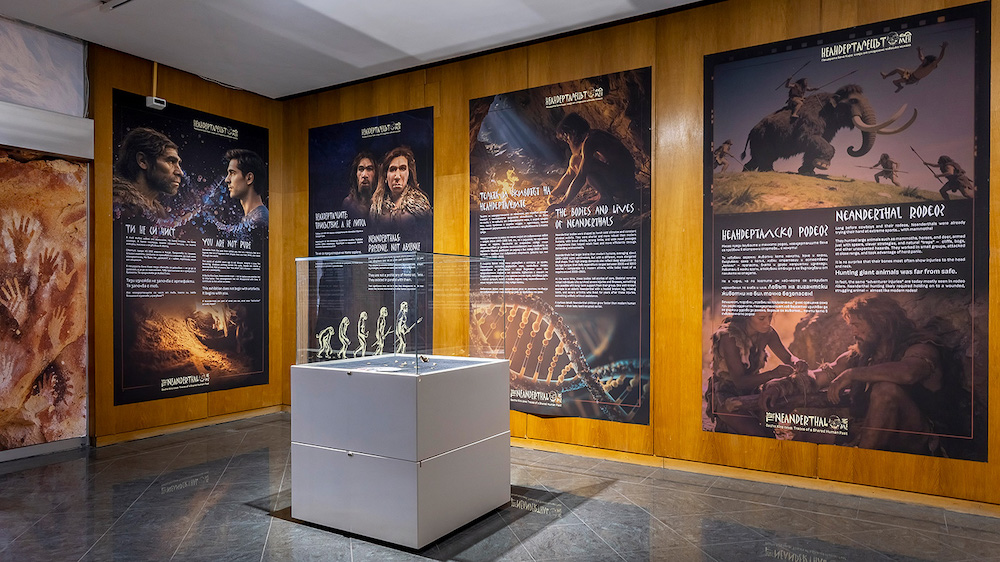
It presents human evolution from a new perspective – not as the familiar story of replacement and extinction, but as a complex process of encounters, exchange and deep interconnection between different human communities.
Modern genetic research shows that Neanderthals did not disappear completely. Part of their legacy continues to live on within us – in the bodies, immune systems and adaptations of modern humans.
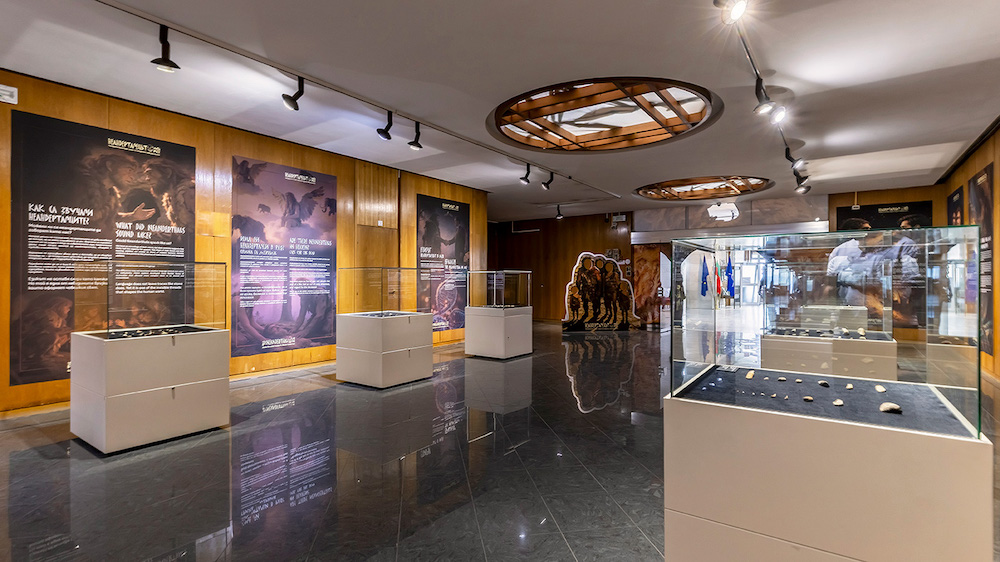
At the heart of the exhibition narrative is Bacho Kiro Cave, where some of the earliest Homo sapiens in Europe lived around 45,000 years ago. Discoveries made in recent years have turned the site into a key location for understanding the early presence of modern humans on the continent and their connections with Neanderthals.
The exhibition combines archaeological finds, genetic data, visual panels and interpretative texts tracing the lives, technologies, social relationships and symbolic world of Neanderthals and the first modern humans in Europe.
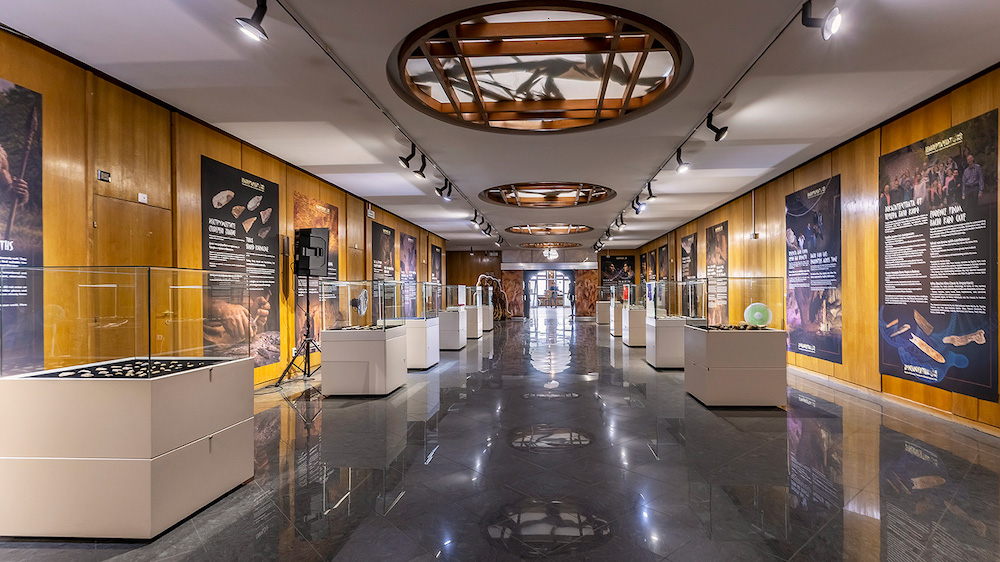
Highlights of the exhibition include:
- the latest discoveries from Bacho Kiro Cave;
- bone and stone tools, ornaments and reconstructions;
- evidence of Neanderthal heritage in modern humans;
- interactive and immersive spaces placing the visitor at the centre of the story.